
dentistry result 2026 Key Takeaways
The dentistry result 2026 landscape marks a turning point where fast‑evolving technology, digital workflows, and AI begin to reshape how dentistry is studied and practiced.
- The most important dentistry result 2026 insight is that digital and AI-driven skills will be just as critical as clinical hand skills for new dentists.
- Dentistry 2026 will see measurable improvements in diagnostics, cosmetic outcomes, and preventative care thanks to better imaging, data, and patient education.
- Students who adapt early to dentistry 2026 trends and predictions—like robotics assistance, chairside CAD/CAM, and teledentistry—will be more competitive in admissions, residencies, and jobs.
Understanding trends is useful, but you also need a practical checklist to align your preparation with dentistry 2026 realities. The following steps can help you future-proof your study plan and clinical training. For a related guide, see May 27 2026 Holiday: 7 Easy, Proven Ways to Plan the Day Off.
Step 1: Build a Strong Conceptual Foundation
Whatever changes in technology, core dental anatomy, pathology, pharmacology, and materials science remain the base for safe practice. Make sure you:

- Study from updated editions of recommended textbooks.
- Cross-check important protocols with guidelines from bodies like the American Dental Association or your regional dental council.
- Use high-yield notes to integrate basic sciences with clinical scenarios.
Step 2: Add Digital Dentistry Skills Early
Even if your school has limited equipment, you can still learn essential concepts:
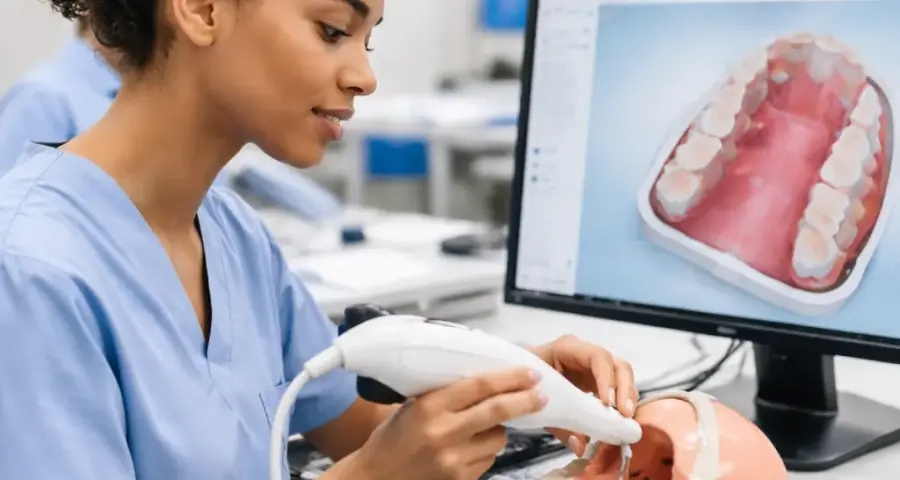
- Watch demonstrations and lectures on intraoral scanning, CAD/CAM workflows, and digital smile design.
- Practice on simulation software where available, or explore trial versions promoted by dental software companies.
- Observe or assist in clinics that use digital workflows to understand real-time constraints.
Step 3: Develop AI and Data Literacy
You do not need to be a programmer, but you should understand what AI tools can and cannot do. For dentistry 2026, this means:

- Learning the basics of how AI analyzes radiographs or photographs.
- Recognizing common biases and limitations so you can challenge incorrect suggestions.
- Keeping up with trustworthy research on AI in radiology and diagnostics via sources like PubMed clinical literature.
Step 4: Strengthen Communication and Preventative Counseling
As preventative and patient-centered care gain weight in your dentistry result 2026 evaluations, you will be judged on how you explain risks, options, and home care clearly. Practice:
- Role-playing consent and treatment-explanation conversations with peers.
- Using visual aids and simple language to explain caries risk and gum disease.
- Documenting preventive plans and follow-up instructions systematically in case sheets.
Step 5: Plan Around Admissions, Cut-Offs, and Merit Lists
If you are aiming for BDS or postgraduate admissions with results due around 2026, track:
- Official notification dates, application deadlines, and counseling schedules from your exam authority.
- Previous years’ cut-offs and rank trends to set realistic target scores.
- How institutes highlight digital and research facilities in their brochures—this is a clue to what they value in incoming students.
What dentistry result 2026 Means for Patients and Practitioners
The changes leading up to 2026 impact not only students but also practicing dentists and, most importantly, patients. Understanding both sides helps you appreciate why your training is evolving the way it is.
Implications for Patients
- Faster, more comfortable care: Digital impressions, guided surgery, and better anesthetic techniques reduce chair time and discomfort.
- More accurate diagnoses: AI-enhanced imaging can help detect early lesions and bone changes that might be missed otherwise.
- Personalized prevention: Risk-based recall and tailored home-care plans improve long-term oral health outcomes.
Implications for Practitioners
- Need for continuous upskilling in software, hardware, and data interpretation.
- More interdisciplinary collaboration with orthodontists, maxillofacial surgeons, and even data scientists in large centers.
- New practice models, including hybrid clinics that mix physical visits with teledentistry follow-ups.
For students, the message is clear: the skills you acquire for dentistry result 2026 are not just to pass exams—they prepare you to thrive in a rapidly modernizing profession.
Advanced Strategies to Stay Ahead in dentistry 2026
Once you have covered the basics, a few advanced strategies can differentiate you in exams, interviews, and early practice.
Engage With Research and Innovation
Reading and possibly contributing to small research projects teaches you how evidence is generated and evaluated. It also helps when exam questions ask you to justify treatment plans based on current literature rather than tradition alone.
Build a Digital Portfolio of Your Work
With consent and proper de-identification, start compiling photographic and radiographic records of your clinical cases. A well-structured portfolio can help during residency interviews and first-job applications in 2026, showcasing your ability to handle digital documentation and track outcomes. For a related guide, see Google Ai: 7 Powerful Ways to Get Smart, Proven Results.
Network With Mentors Who Already Use 2026-Level Tools
Seek out mentors who actively use scanners, CAD/CAM, clear aligners, guided surgery, or AI tools in their practices. Short observerships, online case discussions, and webinars can give you the practical insights that standard curricula may not yet fully cover.
Useful Resources
To deepen your understanding of evolving dental standards and evidence-based practice ahead of dentistry result 2026, these resources are a good starting point:
Frequently Asked Questions About dentistry result 2026
Why is dentistry result 2026 considered a turning point for dental students?
Dentistry result 2026 is seen as a turning point because many technologies introduced over the last decade—such as intraoral scanners, CAD/CAM, and AI diagnostics—are shifting from optional extras to mainstream expectations in exams and clinics, so students will be evaluated on both digital competence and traditional clinical skills.
How will exam patterns change by the time of dentistry result 2026?
By 2026, exam patterns are likely to include more integrated, case-based questions, stronger emphasis on evidence-based protocols, and OSCE-style clinical stations that test communication, decision-making, and digital workflow familiarity rather than only rote recall and manual speed.
Will AI and robotics directly affect my dentistry result 2026 scores?
AI and robotics will mostly affect your scores indirectly by changing how cases are presented and assessed, meaning you may need to interpret AI-generated suggestions, work with digital images, and understand the pros and cons of guided procedures as part of your clinical reasoning.
What digital skills should I learn now to be ready for dentistry 2026 ?
To prepare for dentistry 2026, focus on understanding intraoral scanning, digital radiography, basic CAD/CAM workflows, photo documentation, and cloud-based patient record systems, even if you only have access to simulations or online demonstrations at first.
How important will cosmetic dentistry be in dentistry result 2026?
Cosmetic dentistry will be increasingly important by 2026 because patient demand for aesthetic results keeps rising, and schools are starting to evaluate skills such as digital smile design, minimally invasive veneers, and shade matching as part of broader clinical performance.
Does preventative care really influence dental exam results?
Yes, preventative care is gaining more weight in practical assessments, with students evaluated on how well they perform risk assessments, educate patients, propose preventive plans, and document follow-up rather than only completing operative procedures.
How can I balance traditional theory study with new dentistry 2026 trends?
The best approach is to secure your fundamentals through updated textbooks and standard protocols while dedicating regular time to digital skills, AI literacy, and current research so you can apply your core knowledge in modern, technology-rich clinical contexts.
Will dental admissions cut-offs change by 2026?
While exact cut-offs depend on competition and exam difficulty, many regions are seeing increasing interest in dentistry, and by 2026 cut-offs may be slightly higher, especially for institutes known for strong digital facilities and research, making strategic preparation more important.
How should I plan my clinical postings for the 2026 landscape?
When choosing or requesting postings, try to gain exposure to departments that use digital radiography, CAD/CAM, and aesthetic procedures, and actively ask faculty to involve you in cases that showcase digital workflows so your clinical experience matches what 2026 practices will expect.
Can online courses really help with dentistry result 2026 preparation?
Good-quality online courses from universities, professional bodies, or reputable educators can significantly enhance your readiness by providing structured introductions to digital dentistry, AI, and evidence-based practice that may not yet be fully integrated into your core curriculum.
What role will teledentistry play by 2026?
By 2026, teledentistry is expected to be a common complement to in-clinic care, particularly for triage, follow-up, and preventive counseling, so you may be assessed on your ability to communicate effectively via digital platforms and manage remote documentation ethically.
How can I showcase my skills to stand out in the 2026 job market?
You can stand out by creating a digital portfolio of de-identified clinical cases, listing workshops and certifications in digital or aesthetic dentistry, and demonstrating comfort with evidence-based decision-making and modern technology during interviews and practical assessments.
Will robotics replace dentists after 2026?
Robotics is more likely to assist than replace dentists, handling specific repetitive or precision tasks such as guided implant placement while human dentists remain essential for diagnosis, comprehensive treatment planning, communication, and handling unexpected complications.
How should I use research papers to prepare for dentistry result 2026?
Use research papers to understand why protocols are recommended, focusing on review articles and clinical guidelines that summarize evidence, and practice extracting key points that could support case-based answers or viva explanations in your 2026 examinations.
Is investing in personal digital tools worthwhile as a student?
If budget allows, investing in good-quality photography equipment, basic dental design software, or access to online simulators can be valuable, but you should prioritize core educational costs first and use institutional resources fully before buying expensive devices.
How do I manage stress while aiming for strong dentistry 2026 results?
Manage stress by creating a realistic study plan that mixes theory, clinical practice, and digital learning, scheduling regular breaks and exercise, seeking peer and mentor support, and remembering that consistent incremental progress usually beats last-minute cramming in complex fields like dentistry.
What non-clinical skills will be valuable by 2026?
Non-clinical skills such as communication, teamwork, time management, basic data interpretation, ethical reasoning, and familiarity with practice-management software will be increasingly valuable and may indirectly influence your clinical performance and professional opportunities.
Can I shift into research or academia with dentistry result 2026 training?
Yes, the growing emphasis on evidence-based practice and digital tools by 2026 actually makes transitions into research or academia more accessible, especially if you participate in student research projects, publish small studies, or pursue postgraduate programs with strong research components.
How can international guidelines help my local exam performance?
International guidelines from organizations such as the ADA or FDI provide high-quality, evidence-based recommendations that can sharpen your clinical reasoning, and referencing them in viva or case discussions can show examiners that you understand global standards while still adapting to local protocols.
What is the single most important step to prepare for dentistry result 2026?
The most important step is to build a strong conceptual foundation and then deliberately layer digital, AI, and communication skills on top of it, so you can adapt smoothly to whatever specific exam format or clinical environment you encounter in 2026 and beyond.