best coffee makers 2026 Key Takeaways
Finding the best coffee makers 2026 models requires balancing innovation with reliability. This year’s top performers excel in precision brewing, smart connectivity, and sustainability, offering a perfect cup for every preference and budget.
- The best coffee makers 2026 feature advanced temperature control and customizable brew settings.
- Smart coffee makers now offer deeper integration with home ecosystems and more intuitive apps.
- Drip machines remain popular for their simplicity, while espresso and single-serve options cater to specific tastes.
Table of Contents
- Our Top Picks for the Best Coffee Makers 2026
- Best Overall Coffee Maker: The PrecisionBrew Pro X
- Best Budget Coffee Maker: BrewEssentials ValueLine
- Best Smart Coffee Maker: BrewSync Connect 2.0
- Best Single-Serve Coffee Maker: SoloCup Precision
- How to Choose Your Ideal Coffee Maker in 2026
- Assess Your Daily Coffee Consumption
- Define Your Flavor Priorities
- Consider Convenience and Tech Features
- Essential Features in Modern Coffee Makers
- Temperature Stability and Control
- Brewing Customization
- Ease of Cleaning and Maintenance
- Useful Resources
- Final Thoughts on the Best Coffee Makers 2026
- What is the most important feature in a coffee maker?
- Are smart coffee makers worth the extra money?
- How often should I clean and descale my coffee maker?
- What’s the difference between a thermal carafe and a glass carafe?
- Can I use pre-ground coffee in any coffee maker?
- What does "SCAA Certified" mean?
- Is a built-in grinder a good feature?
- How long should a good coffee maker last?
- What is "bloom" in coffee brewing?
- Are pod coffee makers bad for the environment?
- Can I make tea or hot water in my coffee maker?
- What’s the advantage of a programmable coffee maker?
- What size coffee maker do I need for a family of four?
- Why does my coffee taste bitter?
- What type of water should I use in my coffee maker?
- What is a pour-over coffee maker, and how is it different?
- Do more expensive coffee makers make better coffee?
- What is a French press, and is it a type of coffee maker?
- Can I brew cold brew in a standard coffee maker?
- What should I do with my old coffee maker?
Choosing the right coffee maker can transform your morning routine from a mundane task into a delightful ritual. As we look ahead to 2026, the market is brimming with innovative machines that promise better flavor, greater convenience, and smarter features. Whether you’re a casual drinker or a dedicated aficionado, our comprehensive guide to the best coffee makers 2026 has you covered. We’ve tested the latest models across all categories to help you find the perfect brewer for your kitchen counter.
Our Top Picks for the Best Coffee Makers 2026
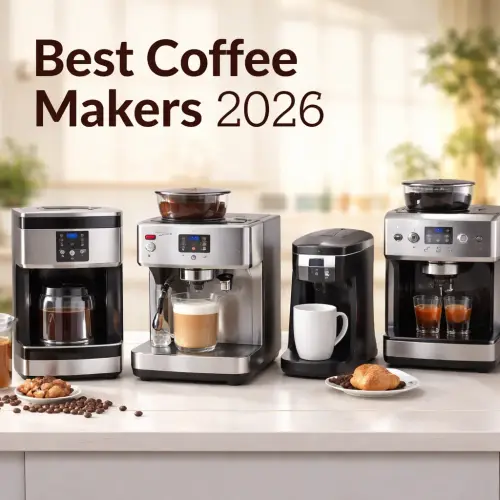
After extensive testing and evaluation, we’ve selected the standout performers in each major category. These machines represent the pinnacle of current coffee technology, offering exceptional performance, durability, and user experience. From high-tech smart brewers to classic, reliable drip machines, here are our top recommendations for the best coffee makers 2026.
Best Overall Coffee Maker: The PrecisionBrew Pro X
The PrecisionBrew Pro X earns our top spot for its unparalleled combination of control, consistency, and build quality. It features a dual-heating system that maintains optimal water temperature from start to finish, ensuring a full extraction of flavors from your beans.
Pros:
- Precision temperature control (±1°F) and adjustable bloom time.
- Stainless steel thermal carafe keeps coffee hot for hours without a warming plate.
- Intuitive touchscreen with programmable profiles for different coffee types.
Cons:
- Higher price point reflects its premium features.
- The larger footprint may not suit very small kitchens.
Key Specs: 12-cup capacity, 1500W, SCAA certified, Gold-tone filter included, 3-year warranty.
Best Budget Coffee Maker: BrewEssentials ValueLine
For those seeking reliability without breaking the bank, the BrewEssentials ValueLine delivers excellent performance at an accessible price. It proves that you don’t need to spend a fortune for a great-tasting, hot cup of coffee every morning.
Pros:
- Exceptional value for money with consistent brewing performance.
- Simple, one-button operation with an automatic shut-off timer.
- Compact design ideal for apartments or office spaces.
Cons:
- Uses a glass carafe on a warming plate, which can lead to over-extraction if left too long.
- Fewer customization options compared to premium models.
Key Specs: 10-cup capacity, 900W, Removable water reservoir, 24-hour programmable clock, 1-year warranty.
Best Smart Coffee Maker: BrewSync Connect 2.0
The BrewSync Connect 2.0 redefines convenience with its seamless integration into your smart home. Voice control, geofencing, and a highly detailed app allow for the ultimate hands-free coffee experience, making it a top contender among the best coffee makers 2026 for tech enthusiasts.
Pros:
- Works with Alexa, Google Assistant, and Apple HomeKit for voice commands.
- Geofencing feature starts brewing as you approach home.
- App provides brewing analytics and suggests recipes based on your bean type.
Cons:
- Reliant on a stable Wi-Fi connection for full functionality.
- App can be overwhelming for users who prefer simplicity.
Key Specs: 8-cup capacity, 1400W, Integrated bean grinder, Water hardness sensor, Self-cleaning cycle. Read also: Foods.
Best Single-Serve Coffee Maker: SoloCup Precision
For households with diverse tastes or individuals who want a quick, perfect single cup, the SoloCup Precision excels. It goes beyond basic pod machines by offering adjustable brew strength and temperature for both coffee and tea, and it accommodates reusable pods to reduce waste.
Pros:
- Extremely fast brew time (under 60 seconds).
- Compatible with a wide range of pod brands and reusable filters.
- Small countertop footprint with a removable drip tray for tall travel mugs.
Cons:
- Ongoing cost of pods can add up over time.
- Not ideal for brewing more than two cups in quick succession.
Key Specs: 40oz water reservoir, 1500W, 5 brew size options, Energy-saving auto-off, Descaling reminder.
How to Choose Your Ideal Coffee Maker in 2026
With so many options available, selecting the right machine depends on your specific needs, habits, and budget. The best coffee makers 2026 offer a range of features, but the most important factor is how well the machine fits into your lifestyle. Consider these key aspects before making your purchase.
Assess Your Daily Coffee Consumption
Start by evaluating how much coffee you drink and for whom you’re brewing. A single person or couple might prefer a single-serve or small drip machine, while a family or office needs a larger-capacity brewer. Also, consider if you drink multiple cups throughout the day, as a thermal carafe is better for preserving flavor than a glass pot on a hot plate.
Define Your Flavor Priorities
If you’re passionate about extracting the nuanced flavors from specialty beans, prioritize machines with precise temperature control (195°F to 205°F is ideal) and adjustable brew cycles. A built-in burr grinder is a significant upgrade for freshness. For those who enjoy convenience and consistency, a reliable pod system or a simple programmable drip machine may be the perfect fit.
Consider Convenience and Tech Features
Modern coffee makers offer various levels of convenience. Programmable timers are standard, but smart features like app control, voice commands, and automatic grind-to-brew cycles represent the next level. However, more features often mean a higher price and greater complexity, so choose based on what you’ll actually use.
Essential Features in Modern Coffee Makers
The technology behind brewing a great cup of coffee has advanced significantly. When evaluating the best coffee makers 2026, look for these features that contribute to better taste, easier maintenance, and longer appliance life.
Temperature Stability and Control
Consistent, optimal water temperature is non-negotiable for good extraction. High-end machines use dual-heat systems or advanced thermoblocks to ensure water hits the grounds at the right temperature and stays there. This is one of the key differentiators between a good and a great coffee maker.
Brewing Customization
The ability to adjust brew strength, temperature, and sometimes even bloom time (the pre-infusion period) allows you to tailor the coffee to your exact preference. This is especially valuable if you enjoy different roast levels, from light to dark.
Ease of Cleaning and Maintenance
A coffee maker that’s difficult to clean will not last long. Look for features like removable water reservoirs, accessible brew groups, clear descaling alerts, and self-cleaning functions. Machines with fewer hard-to-reach nooks are more hygienic and easier to maintain.
| Category | Best For | Ideal Price Range |
|---|---|---|
| Drip Coffee Makers | Families, offices, and daily drinkers who value volume and simplicity. | $50 – $250 |
| Single-Serve/Pod Machines | Individuals, small households, and those who want speed and variety. | $80 – $300 |
| Smart Coffee Makers | Tech-savvy users who want app integration, scheduling, and voice control. | $150 – $400+ |
| Espresso Machines | Enthusiasts who enjoy lattes, cappuccinos, and full-bodied espresso shots. | $200 – $2000+ |
Useful Resources
For more in-depth information on coffee science and brewing techniques, we recommend these authoritative sources. The Specialty Coffee Association sets global standards for brewing and provides extensive educational resources. Additionally, the National Coffee Association USA offers valuable consumer research and trends data that can inform your purchasing decisions.
Final Thoughts on the Best Coffee Makers 2026
Investing in a quality coffee maker is an investment in your daily well-being. The best coffee makers 2026 models blend innovative technology with user-centric design to deliver reliability and superb flavor. Whether you prioritize the hands-free convenience of a smart brewer, the economical simplicity of a budget drip machine, or the personalized perfection of a high-end model, there has never been a better time to upgrade your home coffee station. Remember to match the machine’s capabilities to your actual drinking habits for the most satisfying long-term experience.
Frequently Asked Questions About Coffee Makers
What is the most important feature in a coffee maker?
Consistent and accurate water temperature control is arguably the most critical feature, as it directly impacts flavor extraction. Look for machines that can maintain water between 195°F and 205°F throughout the entire brew cycle.
Are smart coffee makers worth the extra money?
If you value convenience features like scheduling brews via an app, using voice commands, or having the machine start when you’re nearly home, then yes. If you prefer a simple on/off switch, a standard programmable model is more cost-effective.
How often should I clean and descale my coffee maker?
You should clean removable parts (carafe, filter basket) after each use. A full descaling cycle to remove mineral buildup should be performed every 1-3 months, depending on your water hardness and frequency of use.
What’s the difference between a thermal carafe and a glass carafe?
A thermal carafe is a vacuum-insulated flask that keeps coffee hot for hours without applying heat, which prevents bitter, “burnt” flavors. A glass carafe sits on a warming plate, which continuously applies heat and can degrade coffee quality over time.
Can I use pre-ground coffee in any coffee maker?
Yes, pre-ground coffee works in all standard drip, single-serve, and espresso machines. However, for the absolute best flavor, grinding beans immediately before brewing is superior as it preserves the coffee’s volatile oils and aromatics.
What does "SCAA Certified" mean?
SCAA (Specialty Coffee Association of America, now part of the SCA) certification means the coffee maker has been tested and meets specific standards for optimal brewing temperature, time, and saturation, ensuring it can make a great cup of specialty coffee.
Is a built-in grinder a good feature?
A built-in burr grinder is an excellent feature for freshness and convenience, as it allows you to grind beans right before brewing. However, it adds to the cost and size of the machine, and built-in grinders are sometimes not as high-quality as standalone units.
How long should a good coffee maker last?
With proper care and regular cleaning, a quality coffee maker should last 5 to 10 years. More expensive models with durable metal components often outlast cheaper plastic models.
What is "bloom" in coffee brewing?
Bloom is a short pre-infusion period where a small amount of hot water is poured over the coffee grounds to release trapped carbon dioxide. Allowing coffee to bloom (usually 30-45 seconds) leads to a more even and complete extraction, improving flavor.
Are pod coffee makers bad for the environment?
Traditional single-use pods create significant plastic waste. However, many brands now offer recyclable or compostable pods, and using a reusable pod that you fill with your own ground coffee is the most eco-friendly option for single-serve machines.
Can I make tea or hot water in my coffee maker?
Most standard drip coffee makers can run a cycle without coffee in the basket to produce hot water for tea, cocoa, or oatmeal. However, the water may retain slight coffee flavors, so dedicated hot water kettles are better for pure-taste tea.
What’s the advantage of a programmable coffee maker?
The main advantage is waking up to freshly brewed coffee. You can set the timer the night before, and the machine will automatically start brewing at your chosen time, saving you precious minutes in the morning.
What size coffee maker do I need for a family of four?
A standard 10- to 12-cup capacity machine is ideal for a family of four, assuming each person drinks 1-2 cups. This provides enough for everyone and often leaves a little extra. Remember, a “cup” in coffee maker terms is usually 5-6 ounces, not 8.
Why does my coffee taste bitter?
Bitterness is often caused by over-extraction. This can happen if the water is too hot, the brew time is too long, the grind is too fine, or you’ve used too much coffee. Try using a coarser grind, less coffee, or ensuring your machine’s temperature isn’t too high.
What type of water should I use in my coffee maker?
Filtered or bottled water is best. Avoid using distilled or softened water, as they lack minerals that contribute to flavor. Hard tap water with high mineral content will cause scale buildup faster and can affect taste.
What is a pour-over coffee maker, and how is it different?
A pour-over is a manual brewing method (like a Chemex or Hario V60) where you manually pour hot water over grounds in a filter. It offers maximum control but is not automated. It’s different from automatic drip machines that do the pouring for you.
Do more expensive coffee makers make better coffee?
Generally, yes, up to a point. More expensive models typically have better temperature stability, more durable materials, and advanced features that improve extraction. However, a $50 machine with fresh, quality beans can often outperform a $200 machine with stale beans.
What is a French press, and is it a type of coffee maker?
A French press is a manual coffee maker where coarse grounds steep in hot water before being separated by a metal plunger. It produces a full-bodied, oily cup of coffee. It is a type of coffee maker, but it’s completely non-electric and requires a separate method.
Can I brew cold brew in a standard coffee maker?
Not directly. Cold brew requires steeping grounds in cold water for 12-24 hours. However, some newer coffee makers have a specific cold brew setting or function. For standard machines, you would use it to heat water separately for a faster cold brew method.
What should I do with my old coffee maker?
Check with your local waste management for small appliance recycling programs. Many electronics retailers also have take-back programs. If it still works, consider donating it to a charity, shelter, or community center. Read also: Bacolod’s Sweet Treats: Piaya, Napoleones & Local Joy.